
What to Do if You Suspect Seller Nondisclosure in Kentucky
The Discovery of a Hidden Defect
Understanding Seller Disclosure Laws in Kentucky

Wornall & Blair
The excitement of purchasing a new property can quickly turn to dread when a significant, hidden defect is discovered shortly after closing. Water intrusion in the basement, a failing foundation, or undisclosed termite damage can cost tens of thousands of dollars to repair. When this happens, the immediate question is always: did the seller know about this, and should they have told me?
In Kentucky, the law requires sellers of single-family residential homes to complete a Seller’s Disclosure of Property Conditions form. This document requires the seller to disclose known defects regarding the roof, basement, plumbing, electrical systems, and other critical components of the property. The key word in this requirement is “known.” A seller cannot disclose a defect they were genuinely unaware of.
However, if a seller actively conceals a defect or lies on the disclosure form, they can be held liable for the resulting damages. This is known as seller nondisclosure or fraudulent concealment. Proving this, however, requires more than just demonstrating that the defect exists. It requires demonstrating that the seller had prior knowledge and intentionally withheld that information.
The Burden of Proof in Nondisclosure Cases
How to Prove a Seller Lied on a Disclosure Form
Successfully pursuing a claim for seller nondisclosure is challenging. The burden of proof rests entirely on the buyer. You must establish three primary elements: that the defect existed before the sale, that the seller knew about it, and that the seller failed to disclose it or actively concealed it.
Proving prior knowledge is the most difficult hurdle. A sagging floor joist might be obvious to a contractor, but a seller could plausibly claim they never noticed it. To prove knowledge, we must look for evidence of prior repairs, insurance claims, or communications with contractors. If a seller hired a company to patch a foundation crack and then painted over it before listing the house, that is strong evidence of active concealment.
Furthermore, the buyer must demonstrate that they relied on the disclosure form and that the defect was not something that should have been obvious during a reasonable inspection. If a defect was clearly visible and the buyer chose to waive their inspection contingency, pursuing a nondisclosure claim becomes significantly more difficult.
Immediate Steps to Take Upon Discovery
Protecting Your Rights and Preserving Evidence
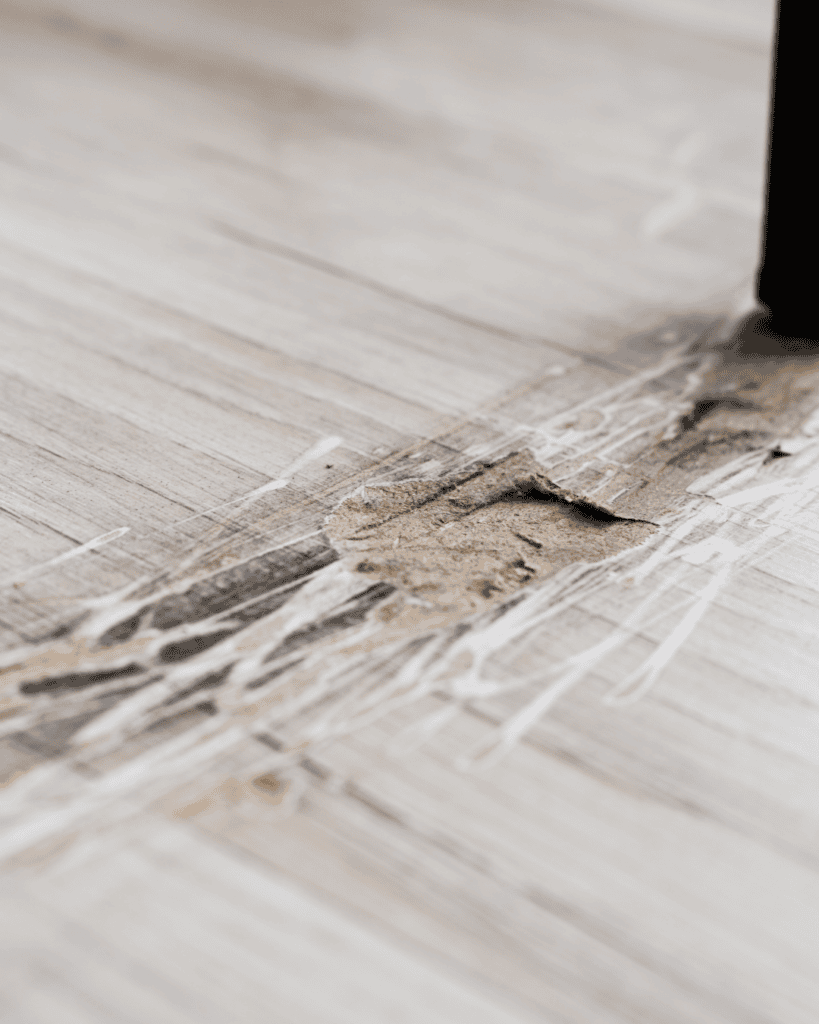
If you discover a significant defect that you believe was concealed by the seller, your immediate actions are critical to preserving your legal options. The instinct is often to begin repairs immediately to prevent further damage to the home. While mitigating active damage (like stopping a leak) is necessary, you must be careful not to destroy the evidence of the defect itself.
First, document everything. Take extensive photographs and videos of the defect before any work is done. Second, hire an independent, licensed professional—such as a structural engineer or a specialized contractor—to evaluate the issue. Ask them to provide a written report detailing the cause of the defect, the estimated cost of repair, and, crucially, their professional opinion on how long the defect has likely existed.
Do not immediately contact the seller or their agent with accusations. Accusations without evidence often lead to defensive posturing and the destruction of relevant records. Instead, gather your documentation and seek legal counsel to evaluate the strength of your claim.
Evaluating Your Legal Options
Schedule a Consultation with a Louisville Real Estate Litigation Attorney
Discovering a hidden defect is a stressful and financially threatening experience. Navigating the legal aftermath requires a clear understanding of Kentucky real estate law and a strategic approach to dispute resolution.
Not every undisclosed defect warrants a lawsuit. The cost of litigation must be weighed against the cost of the repair. In some cases, a firmly worded demand letter backed by solid evidence can result in a settlement or an agreement to cover the repair costs without the need for a protracted court battle. In other cases, formal litigation is the only way to recover your losses.
Evaluating these options is a core component of our real estate litigation practice We can review your purchase agreement, the disclosure forms, and the evidence you have gathered to determine the most effective path forward. If you are dealing with the fallout of a concealed property defect, contact us today to discuss your situation.